This post contains affiliate links. If you make a booking through them, we may earn a small commission at no extra cost to you. As an Amazon Associate, I earn from qualifying purchases.
Whether you’re planning a visit or lucky enough to call it home, England has a rich history of celebrated storytellers whose words continue to shape how the world sees this island. From Shakespeare’s stage in Stratford-upon-Avon to Jane Austen’s drawing rooms and the Brontë sisters’ windswept moors, English landscapes have always inspired imagination. Generations later, writers like J. R. R. Tolkien, Ian McEwan, Hilary Mantel, and Kazuo Ishiguro carried the tradition forward, proving that England’s voice in literature is as powerful today as it was centuries ago. To read English fiction is to walk the cobbled streets of Oxford, hear the echoes of London theatres, and feel the pull of countryside estates where entire novels seem to live and breathe.
Here is a list of more recent novels the essence of England.
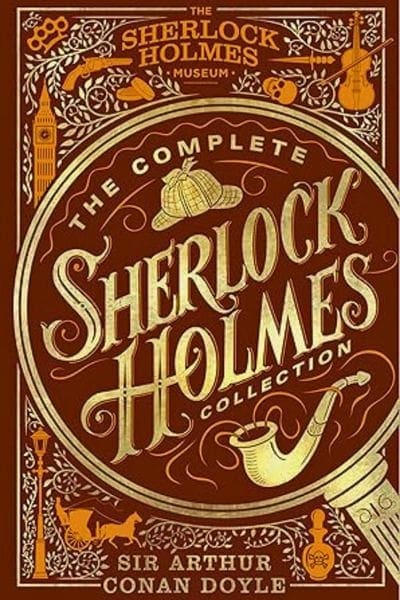
1. The Complete Sherlock Holmes Collection
⭐️⭐️⭐️⭐️(4.5)
Genre: Detective fiction / Classic literature
Published: 1887–1927
Setting: Late 19th–early 20th century England (mostly London)
Few fictional characters have blurred the line with reality quite like Sherlock Holmes. These stories were so vividly written that many readers have genuinely believed he existed. In fact, surveys have found that more than half of British teenagers once thought Holmes was a real person. Over the decades, the detective of Baker Street has inspired countless TV and film adaptations, from Victorian period dramas to modern reimaginings, with my personal favourite being the Benedict Cumberbatch version. Still, nothing beats the original tales. Packed with keen deduction, atmospheric settings, and the timeless partnership of Holmes and Dr. Watson, the complete collection is more than just crime fiction. It is a cultural cornerstone that invites readers to step into England’s literary heritage.
2. Wolf Hall by Hilary Mantel
⭐️⭐️⭐️⭐️(4.6)
Genre: Historical fiction
Published: 2009
Setting: Tudor England, 1520s–1530s
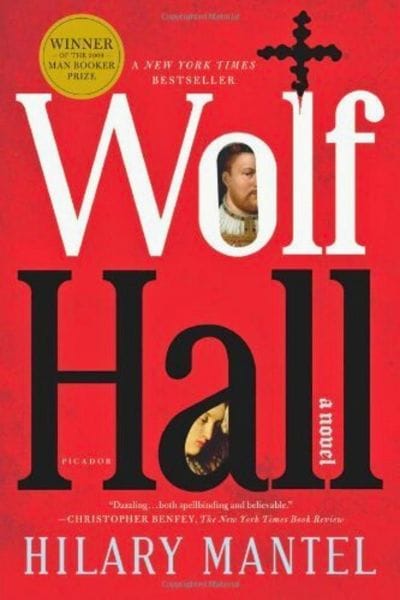
This title has been popularised by the recent BBC adaptation, but it is in fact just the beginning of Hilary Mantel’s acclaimed Tudor trilogy. Wolf Hall introduces Thomas Cromwell, rising from humble beginnings to become chief advisor to Henry VIII, and sets the stage for the gripping political drama that continues in Bring Up the Bodies and The Mirror and the Light.
If you fancy yourself a history buff, this series is for you. While classified as fiction, Mantel’s work is firmly grounded in real events, times, and places, making it a dramatization that immerses you in the actual intrigue of Tudor England. The trilogy blurs the line between fact and fiction, breathing life into one of history’s most fascinating figures and earning Mantel two Booker Prizes along the way.
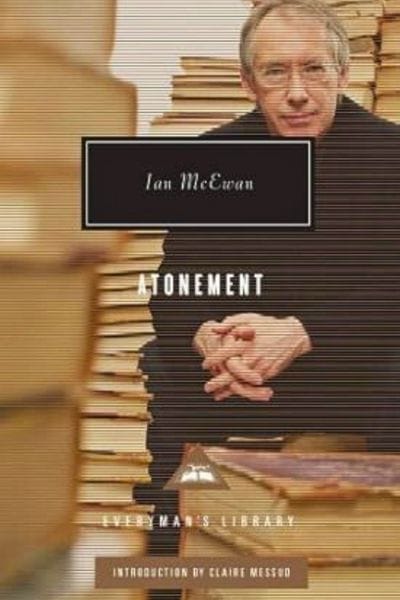
3. Atonement by Ian McEwan
⭐️⭐️⭐️⭐️(4.5)
Genre: Historical fiction / Romance
Published: 2001
Setting: England, 1930s–World War II
Atonement was popularised by the 2007 film adaptation starring Keira Knightley and James McAvoy, which brought Ian McEwan’s novel to a global audience and cemented its place as a modern classic. It is easy to see why many readers consider McEwan a modern-day Jane Austen in this book, particularly in the opening chapters. The English country house setting, the focus on class and family tensions, and the undercurrents of love and misunderstanding all feel like they could have come from Austen’s world.
But Atonement is far more than an homage. As the story unfolds, the consequences of a young girl’s mistaken accusation ripple through the lives of those around her, shifting the narrative from an Austen-like drama into the brutal reality of World War II. The contrast makes it both heartbreaking and unforgettable. This is a book about guilt, love, and the search for forgiveness, and one that lingers long after the final page.
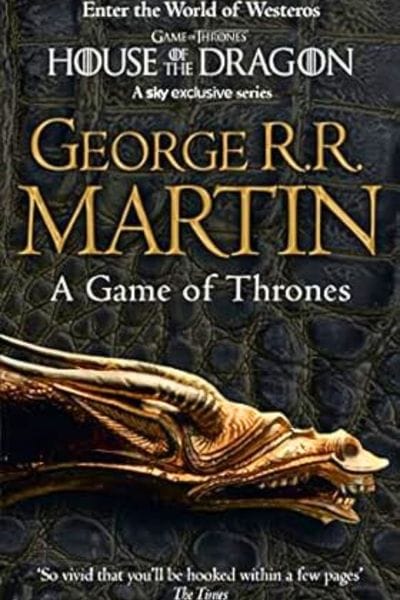
4. A Song of Ice and Fire series by George R. R. Martin
⭐️⭐️⭐️⭐️(4.7)
Genre: Epic fantasy
Published: 1996–ongoing
Setting: The Seven Kingdoms of Westeros and beyond
Whilst not specifically set in England, the novels are steeped in English and European history, drawing heavily on the Wars of the Roses for inspiration. The show Game of Thrones was a global phenomenon. For years, it had the power to unite audiences across the world, with millions tuning in week after week. But the ending completely ruined it. What was once the most talked-about show of its time quickly became something people rarely mention, a reminder of how much damage a disappointing ending can do to a story’s legacy.
The books, however, do not have that problem. Not only because George R. R. Martin has yet to write the ending, but also because the novels are richer, darker, and far more expansive than the TV adaptation ever managed. There is a whole cast of characters who never made it to screen, adding depth and intrigue that changes the way the story unfolds. Some notable examples include:
- Lady Stoneheart (the resurrected Catelyn Stark, who leads the Brotherhood Without Banners)
- Young Griff (a supposed Targaryen heir with a claim to the throne)
- Arianne Martell (princess of Dorne and a central figure in the Martell storyline)
- Strong Belwas (a larger-than-life warrior who accompanies Daenerys)
- Coldhands (a mysterious figure aiding Bran north of the Wall)
- Victarion Greyjoy (a brutal Greyjoy commander with his own arc tied to Daenerys)
- Quentyn Martell (who travels east with his own mission involving dragons)
If you think you know Game of Thrones but have never met these characters, then you only know half the story. Reading A Song of Ice and Fire is the only way to experience the full scope of Martin’s vision, a brutal, beautiful saga that still defines modern fantasy.
5. Brick Lane by Monica Ali
⭐️⭐️⭐️⭐️(4.1)
Genre: Contemporary fiction
Publication: 2003
Setting: East London, late 20th century
Brick Lane tells the story of Nazneen, a young Bangladeshi woman who moves to East London after an arranged marriage. Through her eyes, readers experience immigrant life in the city, the challenges of tradition versus independence, and the clash between old identities and new opportunities. The novel paints a vivid picture of London’s East End, with its bustling markets, tight-knit communities, and cultural tensions, while also exploring universal themes of belonging and self-discovery.
When it was published in 2003, Brick Lane was shortlisted for the Booker Prize and quickly became one of the most talked-about debut novels of its time. It remains an important read for anyone wanting to understand the richness and diversity of modern England, offering a very different but equally compelling perspective compared to the more traditional literary classics.

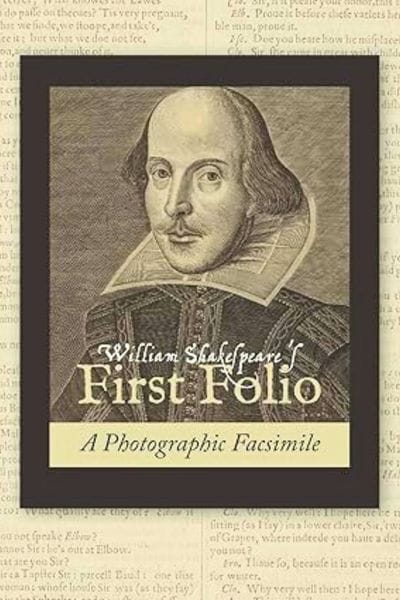
6. First Folio by William Shakespeare
⭐️⭐️⭐️⭐️(4.7)
Genre: Drama / Literature
Publication: 1623
Setting: England
The First Folio was the very first collected edition of Shakespeare’s plays, published in 1623, seven years after his death. Without it, masterpieces like Macbeth and The Tempest might have been lost forever. It remains one of the most treasured works in the English language, not just for its rarity but because it preserved the plays that defined theatre as we know it.
It might seem unusual to sit down and read a collection of plays, but the influence of Shakespeare’s work is everywhere. Almost every story, film, or novel of importance has been shaped in some way by the themes and characters he created. His reach is so great that some even question whether a single man could really have written it all, sparking one of literature’s most enduring conspiracies. Whether you believe it or not, the First Folio is more than a book, it’s the foundation stone of modern storytelling.
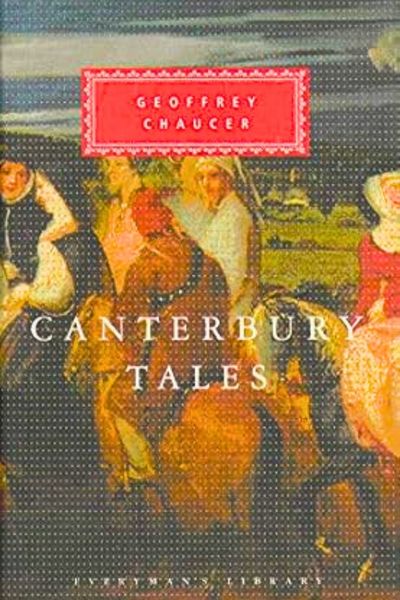
7. The Canterbury Tales by Geoffrey Chaucer
⭐️⭐️⭐️⭐️(4.4)
Genre: Poetry / Social History
Publication: Late 14th century
Setting: England
The Canterbury Tales is another book that many people in England overlook because they were forced to read parts of it at school. That’s almost a waste, because this isn’t really a book for children. As a teenager it’s hard to appreciate the humour, the scandal, and the sheer variety of voices that Chaucer brings to life.
Coming back to it as an adult is a different experience entirely. What once felt like a chore becomes a brilliant, funny, and sometimes outrageous collection of stories that show medieval England in all its colour. The reason it’s taught in schools is because it gave English literature its roots at a time when Latin and French dominated. But the reason to read it now is simple: it’s clever, human, and still has the power to make you laugh centuries later.
Enjoyed this list and want more, why not check out our Japan top fiction book list here.